Predictive Maintenance

Predictive maintenance is one of the most advanced and efficient maintenance strategies.
By utilizing modern monitoring tools and data analysis technologies, it enables early detection of potential failures before they lead to downtime or costly breakdowns.
Its goal is to maximize asset uptime, improve reliability, and reduce overall maintenance costs.

Applications of Predictive Maintenance

Industrial Manufacturing

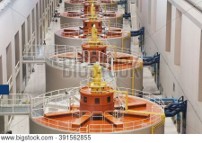
Power Generation

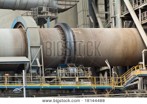
Metals & Minerals

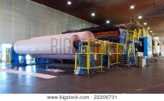
Pulp & Paper

Facilities Management

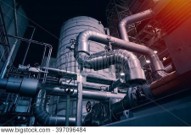
Chemical Processin

Waste Water Treatment

Oil & Gas

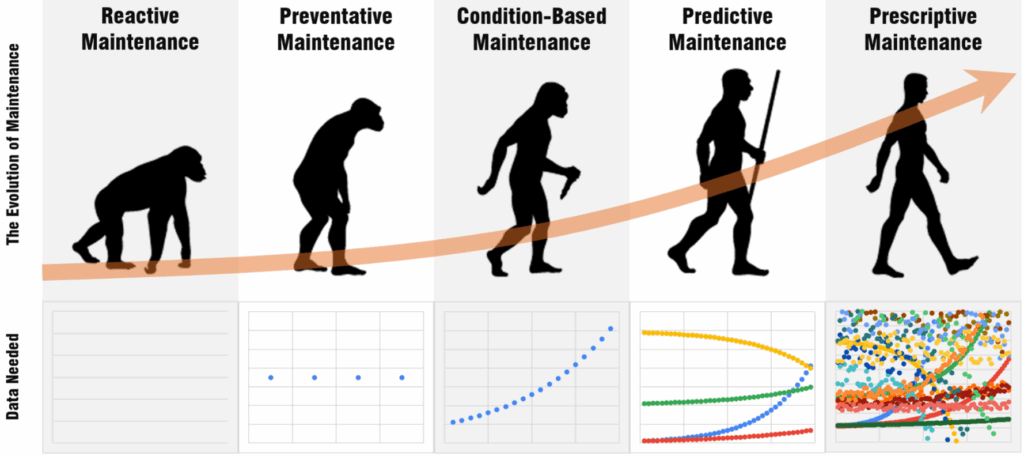
Maintenance evolution

Pros of Predictive Maintenance

  • Minimize the occurrence of unschedule downtime and maximizes asset uptime
  • Gives you a real time overview of the current condition of your asset
  • Ensures minimal disruptions to productivity as some predictive maintenance activities can be carried out on running assets
  • Optimizes the time you spend on your maintenance work.
  • Optimize the use of spare parts
  • Improves asset reliability

Vibration analysis

Main Detectable Defects

  • Mass imbalance
  • Shaft misalignment
  • Bent or warped shaft
  • Bearing wear
  • Gear wear
  • Structural problems
  • Poor lubrication
  • Electrical problems
  • Resonance
  • Other mechanical & electrical problems

Benefits

  • Predictability. Give maintenance staff time to schedule required repairs and acquire needed parts.
  • Safety. Take faulty equipment offline before a hazardous condition occurs.
  • Revenue. Incur fewer unexpected and serious failures, helping to prevent production stoppages that cut into the bottom line.
  • Increased maintenance intervals. Extend life of equipment and schedule maintenance by need.
  • Reliability. Incur fewer unexpected or catastrophic failures because problem areas can be anticipated before failure.
  • Peace of mind. Build confidence in maintenance schedules, budgeting, and productivity estimates.

Photos

Laser Alignment (Shaft/Coupling)

Main Detectable Defects

  • Parallel misalignment
  • Angular misalignment
  • Soft foot
  • Bent shaft
  • Mounting problems

Benefits

  • Reduced downtime
  • Increased Cost-Effectiveness
  • Increased operating time
  • Increased productivity
  • Increased production quality
  • Reduced energy consumption
  • Reduced leaking seals
  • Reduced vibration levels
  • Less bearing failure
  • Avoid shaft breakage
  • Reduced coupling wear

Photos

Laser Alignment (Pulley/Sprocket)

Main Detectable Defects

  • Parallel misalignment
  • Angular misalignment
  • Belt tension
  • Drive belt fitting
  • Worn pulleys, sprockets
  • Mounting problems

Benefits

Accurate pulley and belt alignment can help you:

  • Increase bearing life
  • Increase machinery uptime, efficiency and productivity
  • Reduce wear on pulleys and belts
  • Reduce friction and thereby energy consumption
  • Reduce noise and vibration
  • Reduce costs of replacing components and machinery downtime

Photos

Dynamic balancing (Impeller/Rotor)

Main Detectable Defects

  • Unbalance weight location
  • Rotor sensitivity to unbalance
  • Critical speeds & resonance
  • Other problems excited by unbalance

Benefits

  • Low vibration
  • Low noise
  • Increased efficiency & uptime
  • Increased operator safety
  • Increased bearing life
  • Reduced structural stress
  • Reduced operating cost
  • Increased productivity

Photos

Thermography analysis (Electrical/mechanical/building/steam)

Main Detectable Defects

  • Mechanical equipment faults
  • Overheating bearings
  • Lubrication issues
  • Process faults
  • Damaged refractory lining
  • Loose electrical connection
  • Over heated cables
  • High voltage substation faults
  • Blocked pipes
  • Steam pipes and traps faults
  • Insulation defects

Benefits

  • A non-contact and non-invasive inspection technique, often suited as part of a predictive maintenance program.
  • An easier, faster and safer method of early fault condition detection
  • Inspection, over time, of equipment under same running conditions, allowing thermal anomalies to be easily detected
  • Inspection of running equipment under full load, minimizing production interference
  • Inspection of difficult to access live electrical equipment
  • Reduction of production losses due to unplanned downtime, thus increasing productivity and profitability
  • Reduction of time necessary for planned shutdown
  • Reduction of maintenance and repair costs
  • Increased equipment lifetime and mean time between failures (MTBF)
  • Increased availability and reliability of plant

Photos

Ultrasound leak survey

Why use ultrasound for leak detection?

Compressed Air Costs Money!
Industry average 31% of energy use can be avoided by just fixing leaks
Reduce running hours / wear and tear on existing equipment

Specialty Gasses
Cost avoidance, expensive to buy or produce Environmental impact of certain
Gasses

Production Efficiency
Achieve better efficiency of the process
Run pressures or vacuum pressures at desired levels

Inspection Efficiency & Inspector Safety
Flammable gasses = safety concerns
Refrigeration systems: Use Ultrasound for “bigger leaks” in combination with gas detectors for small leak levels, making your inspection time efficient.

Steam trap survey

When steam traps leak or fail, it can be extremely costly in terms of product quality, safety and energy loss.

Safety: Water hammer can cause serious damage to your equipment & people!

Manufacturing Process efficiency: Maintaining correct temperatures in your process

Preservation of condensate return lines: Water in pipes will cause Rusting

Cost reduction: It is not uncommon to have partial leaking traps costing you in excess of $10,000/year on just wasting energy consumption